
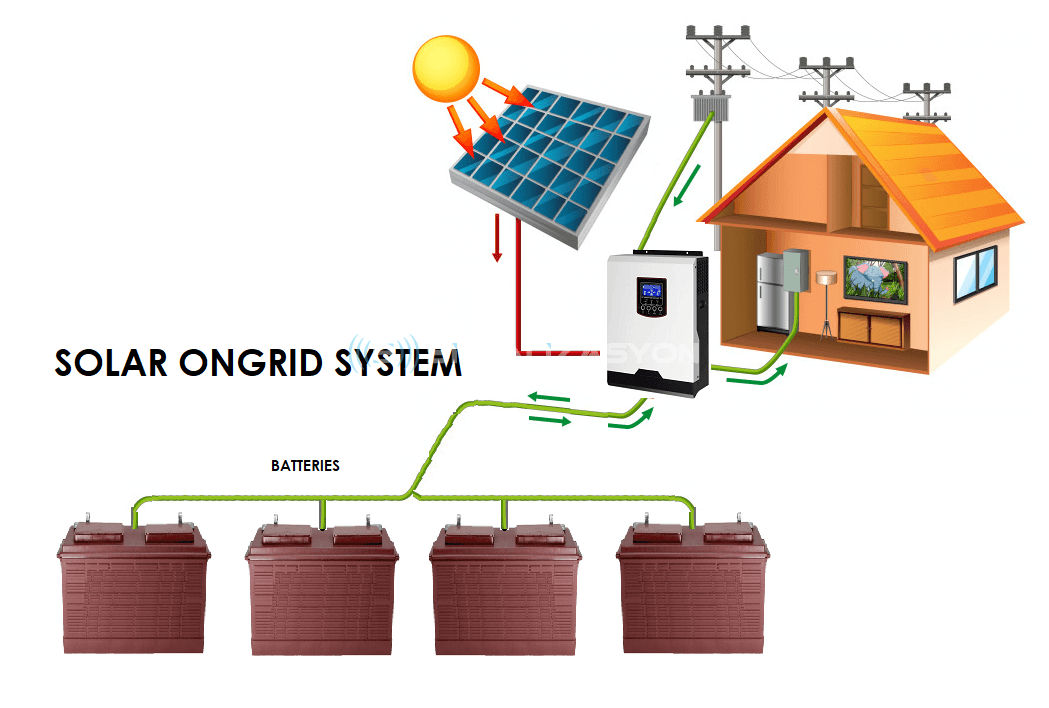
Solar Power Systems
What is a solar system? Solar systems convert sunlight into electrical energy using solar panels and the regulation stages that follow them, making that energy ready to use.
Read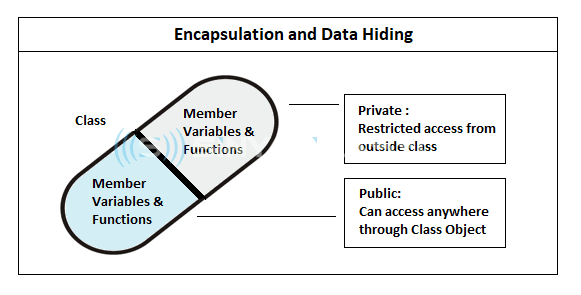
Encapsulation, Inheritance and Polymorphism in Object-Oriented Programming
Encapsulation is one of the terms that turns up in object-oriented programming and network technology alike. It binds code and data together while hiding selected properties and operations of an object.
Read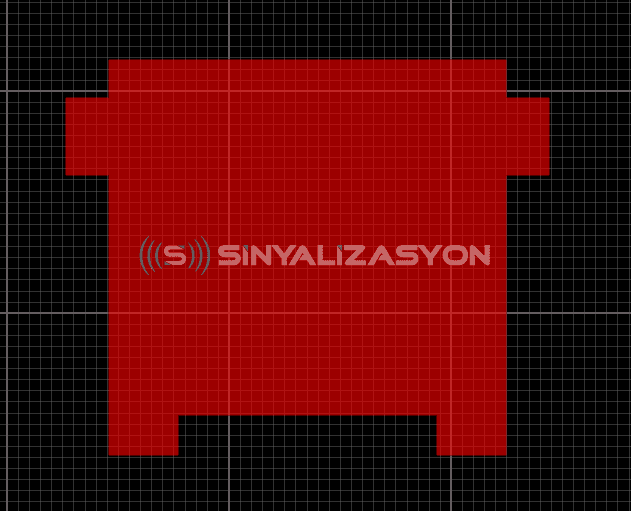
Polygonal Pads
Proteus, used for electronic board design, has two sub-programs: ISIS for schematic capture and ARES for printed circuit board layout. This article covers drawing polygonal pads in that workflow.
Read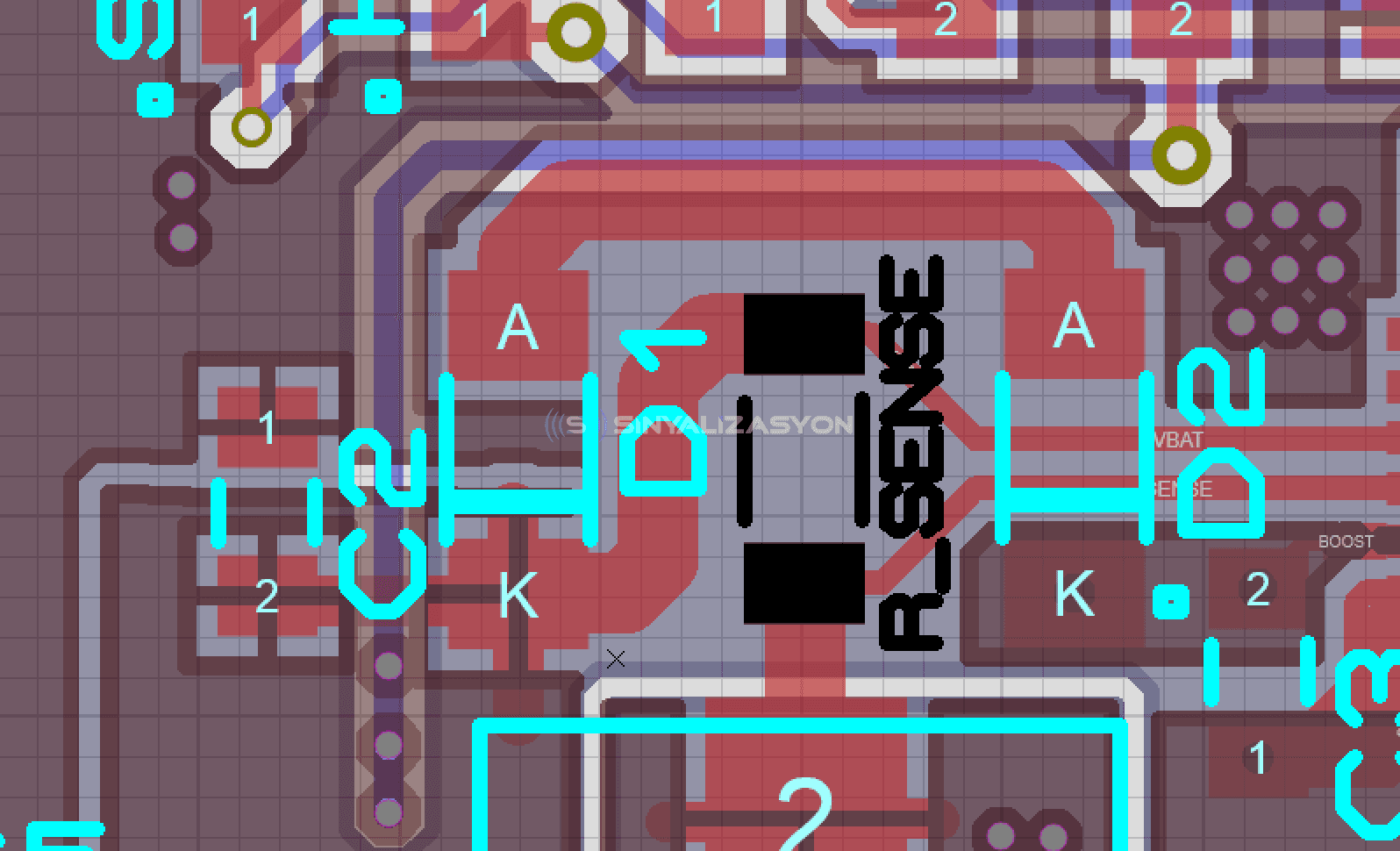
Four-Terminal Current Measurement: Kelvin Current Sensing
Kelvin (four-terminal) current sensing: why milliohm sense resistors make PCB layout errors visible, and how to route the sense lines from the Rsense pads.
Read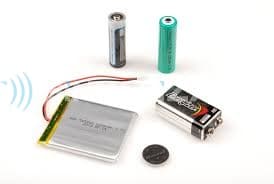
Li-Ion, Li-Po and LiFePO4 Batteries
A comparison of the Li-ion (lithium-ion), Li-Po (lithium-polymer) and LiFePO4 (lithium iron phosphate) battery types available for industrial and consumer projects, looking at cost, service life and where each one fits.
Read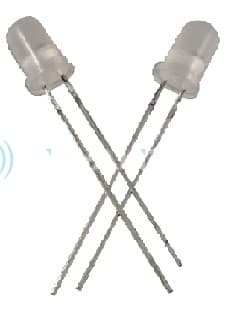
Traffic Light History: From Incandescent and Halogen Lamps to LEDs
How traffic signal light sources evolved: 60 W incandescent lamps at 6.3 lm/W, 50 W halogen at 10 lm/W, early transformer-driven LEDs at 20 lm/W, and Power LEDs at 90–110 lm/W.
Read