
What is a solar system?
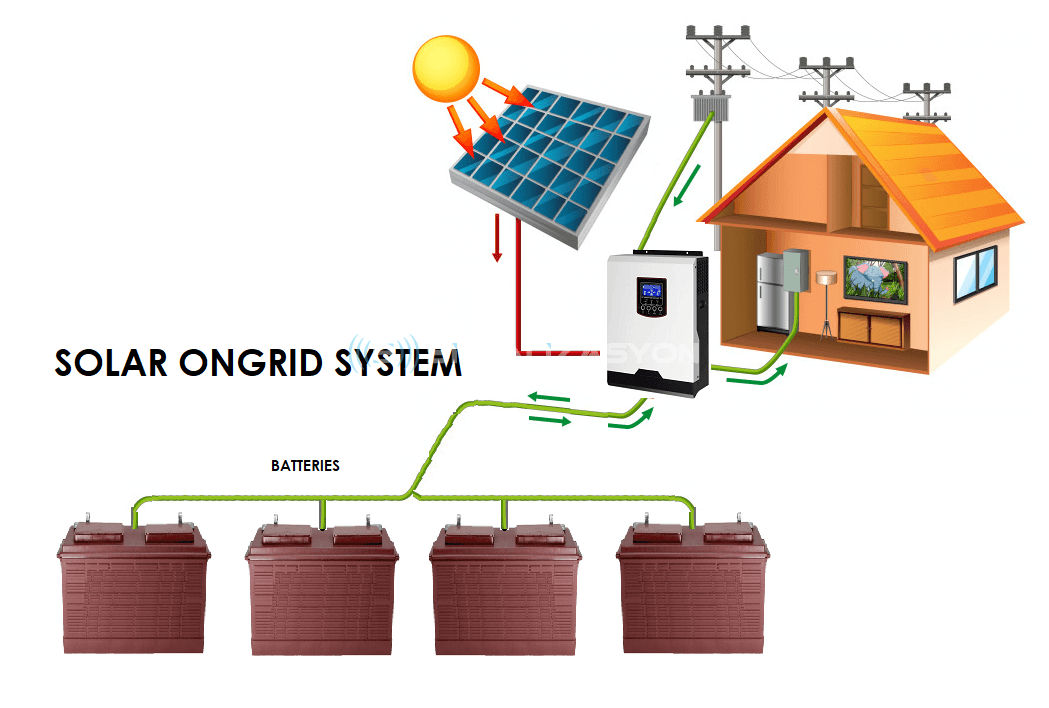
Solar systems are systems in which solar energy is converted into electrical energy and made ready for use, by way of solar panels and the necessary regulation stages. They divide into two main categories: those supported by the grid and other energy sources (on-grid), and those that run independently of the grid (off-grid).
A solar system can be gathered under four main headings: the solar panel, the charge controller, the battery and the load.
What should be considered when sizing a solar system?
→ First, the total consumption of the system should be calculated. Factors such as how that total varies over time, and seasonal transitions, need to be taken into account here.
→ Once the system's consumption over time has been calculated, the minimum rating of the battery required should be worked out from the minimum period the system must run without being charged at all.
→ In on-grid systems, the minimum periods for which the grid or external energy sources will support and/or run the system over time should also be taken into account.
→ The model and rating of the solar panel should then be calculated, taking into account the average hours of sunshine in the region where the system will be used, together with the charge/discharge rates and charging times of the battery selected on the basis of that figure.
In signalling work carried out to regulate traffic flow and make travel safer and more comfortable, solar systems can be used easily and safely — given the right implementation — at every work site where supplying power to the field is difficult or impossible. Solar flashers are the most widely deployed product of this kind on motorways, but there are many other applications: solar VMS units, solar signalised intersections and solar road studs among them.
What are the components of a solar flasher? Taking them in turn:
Solar panel: a current source that varies with time and climate — hours of sunshine, the angle at which the sun strikes it. If the energy it produces is to be stored in a battery or accumulator, it must always be connected to the system through a charge controller.
Charge controller: a circuit board designed to ensure the energy produced by the solar panels is stored efficiently in the battery. Generally these are designed not merely as circuits that control charging, but to control the load in the system as well. To serve its design purpose properly it must disconnect load and disconnect charging at the right moments, and must run the battery at figures close to the service life the battery manufacturer specifies. When a battery fails, the first thing to question is not its quality but whether it has been charged correctly. To preserve the battery's chemistry as far as possible, it must not be allowed to fall to sulphation voltages — in AGM type batteries, roughly 10.5 volts and below. The battery is damaged for every second it sits below that level. With LED groups wired in series or parallel on its load output, this controller must continuously monitor the state of the battery, the sun and the load, delivering both high-efficiency charging and active dimming of the load so the battery runs for the long term. Doing so both protects battery life and runs the system sparingly on days when there is little or no sun. The TSE standard covering all flashers (blinking warning lights) in highway applications is TS EN 12352, and EN 12352 sets out dimming requirements for solar flashers specifically. One of the most important points here is ensuring the flasher can run 24 hours a day, 365 days a year, based on average figures for the whole year — not only in sunny weather. Depending on how it is operated, being able to run only after sunset, or only in fog and haze, offers a useful advantage.